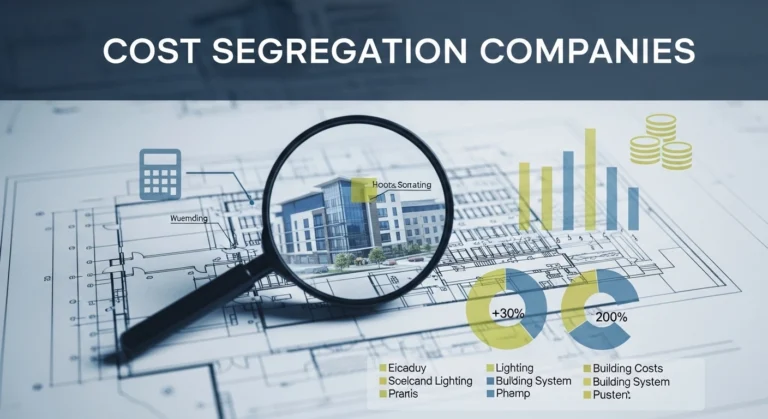
Cost segregation allows rental property owners to accelerate depreciation on parts of their property such as flooring, appliances, and lighting. Instead of spreading deductions over decades, landlords can claim larger tax deductions sooner.
In 2026, cost segregation rental property strategies matter more than ever due to favorable depreciation rules that allow greater upfront tax savings. By lowering taxable income early, cost segregation helps landlords reduce taxes, improve cash flow, and reinvest more money back into their rental properties.
What Is Cost Segregation for Rental Property?
Cost segregation is a tax strategy that allows rental property owners to break their property into individual components and depreciate certain parts faster. Items like appliances, flooring, cabinets, lighting, and some exterior improvements can often be written off over shorter time periods instead of the full building life.
Normally, residential rental properties are depreciated evenly over 27.5 years, which means deductions are spread out slowly. While this provides long-term tax benefits, it limits how much landlords can deduct in the early years of ownership.
Cost segregation accelerates depreciation by reclassifying eligible components into shorter recovery periods, typically 5, 7, or 15 years. This results in larger upfront deductions, lower taxable income, and improved cash flow for rental property owners.
How Cost Segregation Rental Property Maximizes Tax Savings
Cost segregation helps rental property owners reduce taxes by speeding up depreciation on qualifying components. Instead of depreciating the entire property over 27.5 years, assets like appliances, flooring, lighting, and certain exterior improvements are moved into shorter depreciation schedules. This creates larger deductions in the early years of ownership.
In 2026, bonus depreciation makes this strategy even more valuable. Qualifying assets identified through a cost segregation study can often be deducted in full in the year they are placed in service, allowing landlords to capture significant tax savings upfront.
By taking immediate deductions rather than waiting decades for depreciation, rental property owners lower their taxable income sooner. This improves cash flow, increases available capital, and allows investors to reinvest savings into property upgrades or additional rental properties.
Eligible Assets in Cost Segregation Rental Property
Not every part of a rental property qualifies for accelerated depreciation. A cost segregation study identifies specific components that can be depreciated faster to maximize tax savings.
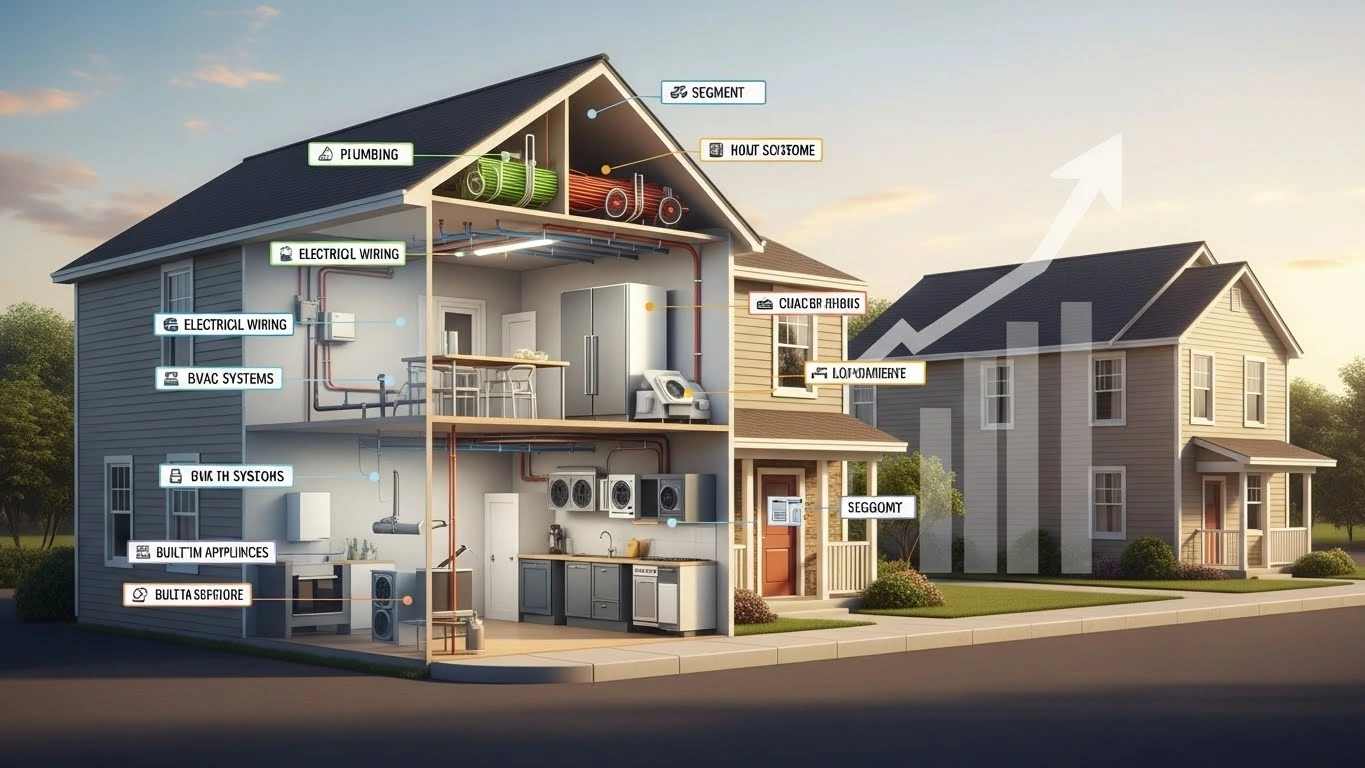
- Interior Components: Assets inside the unit such as flooring, cabinets, appliances, lighting fixtures, window treatments, and certain plumbing elements often qualify for shorter depreciation periods. These items typically fall into 5- or 7-year categories, allowing for faster write-offs.
- Mechanical and Electrical Systems: Portions of HVAC systems, electrical wiring dedicated to specific equipment, and specialized plumbing may qualify for accelerated depreciation. These components are evaluated individually during a cost segregation study.
- Exterior and Land Improvements: Outdoor assets such as sidewalks, parking areas, fencing, landscaping, exterior lighting, and drainage systems are commonly classified as land improvements and depreciated over shorter periods, often 15 years.
- What Does Not Qualify: The building’s structural components, including load-bearing walls, foundations, roofs, and structural framing, generally do not qualify for accelerated depreciation and must remain on the standard 27.5-year schedule for residential rental property.
Cost Segregation Rental Property Strategies
Using the right cost segregation strategy can significantly increase tax savings for rental property owners. The approach may differ depending on whether the property is newly purchased, already owned, or recently renovated.
- Applying Cost Segregation to Newly Purchased Rental Property: For newly acquired rental properties, cost segregation can be applied immediately after the property is placed in service. This allows landlords to accelerate depreciation from day one, creating larger first-year deductions and improving early cash flow.
- Using Cost Segregation on Existing Rental Property: Even if you have owned a rental property for years, cost segregation can still be applied retroactively. Property owners can “catch up” on missed depreciation without amending prior tax returns, often resulting in a substantial one-time deduction.
- Strategies for Renovations and Improvements: Renovations such as kitchen upgrades, flooring replacements, HVAC improvements, or exterior enhancements can trigger additional depreciation opportunities. A cost segregation study can identify newly installed assets that qualify for shorter depreciation schedules.
- Timing Strategies to Maximize Deductions: Timing matters. Performing a cost segregation study in a high-income year or after major renovations can maximize tax benefits. Coordinating the study with bonus depreciation rules in 2026 can further increase upfront deductions.
Benefits of Cost Segregation Rental Property
Cost segregation provides several financial advantages that can significantly improve the performance of a rental property investment.
- Reduced Taxable Income: By accelerating depreciation on eligible components, cost segregation increases deductions in the early years of ownership. This lowers taxable income and reduces the amount of taxes landlords owe each year.
- Increased Cash Flow for Reinvestment: Lower tax payments mean more cash on hand. Landlords can reinvest these savings into property upgrades, maintenance, or acquiring additional rental properties, helping portfolios grow faster.
- Tax Deferral Advantages: Cost segregation shifts a portion of tax liability to future years. While taxes are deferred rather than eliminated, this strategy allows investors to use their money today instead of paying it upfront.
- Improved Return on Investment: Faster depreciation improves key performance metrics such as cash-on-cash return and overall ROI. Recovering property costs sooner makes rental investments more profitable over time.
Cost Segregation Rental Property Tips for Landlords
Using cost segregation effectively requires the right approach and timing. These tips can help landlords maximize tax savings while staying compliant.
- When Cost Segregation Makes the Most Sense: Cost segregation is most effective for rental properties with higher purchase prices, recent construction, or major renovations. It is especially valuable during high-income years when larger deductions can offset taxable income.
- Choosing the Right Property and Timing: Not every rental property is a perfect candidate. Properties with significant personal property components and land improvements typically offer the greatest benefits. Timing the study after purchase or renovation can maximize depreciation deductions.
- Working with Qualified Professionals: Cost segregation should be performed by professionals with engineering and tax expertise. Working with experienced specialists and coordinating with your CPA ensures accurate classifications and IRS compliance.
- Keeping Proper Documentation: Maintain detailed records such as purchase documents, invoices, blueprints, and cost segregation reports. Strong documentation supports your deductions and provides protection in case of an IRS review.
Common Mistakes to Avoid with Cost Segregation Rental Property
Avoiding these common mistakes can help rental property owners get the full benefit of cost segregation while staying compliant with tax rules.
- Assuming Small Rental Properties Do Not Qualify: Many landlords believe cost segregation is only for large properties, but small residential rentals can also benefit. Appliances, flooring, and land improvements often qualify regardless of property size.
- Using Non-Engineering or Low-Quality Studies: A proper cost segregation study should be engineering-based. Low-quality or template-style studies may miss deductions or fail to meet IRS standards, increasing risk during an audit.
- Ignoring Renovation-Related Depreciation Opportunities: Renovations and upgrades often create new depreciation opportunities. Failing to analyze improvements like kitchen remodels or HVAC upgrades can mean missing valuable deductions.
- Failing to Coordinate with a CPA or Tax Advisor: Cost segregation affects depreciation schedules and tax filings. Without coordination, landlords may miss elections, file incorrectly, or fail to maximize benefits.
- Misunderstanding Long-Term Tax Impact: While cost segregation accelerates deductions, it primarily defers taxes rather than eliminating them. Understanding the long-term impact helps investors plan exits, sales, and future tax liabilities more effectively.
FAQs About Cost Segregation Rental Property
Q1. Is Cost Segregation Allowed for Residential Rental Property?
Yes. Landlords can use cost segregation to accelerate depreciation on eligible components such as appliances, flooring, cabinets, and lighting, reducing taxable income in the early years.
Q2. How Much Can Landlords Save Using Cost Segregation?
Savings vary by property size, age, and components, but many landlords can save thousands to tens of thousands of dollars in the first year alone by claiming accelerated depreciation.
Q3. Does Cost Segregation Increase Audit Risk?
When performed properly with a professional engineering-based study and thorough documentation, cost segregation is IRS-compliant. It does not significantly increase audit risk.
Q4. Can I Apply Cost Segregation Retroactively?
Yes. Existing rental properties can often benefit from a catch-up adjustment, allowing missed depreciation to be claimed without amending prior returns using IRS Form 3115.
Q5. Is Cost Segregation Worth It for Small Landlords?
Yes. Even smaller residential rentals can benefit. Accelerated depreciation and bonus depreciation rules can provide meaningful upfront tax savings, making it worthwhile for many small-scale landlords.
Conclusion
Cost segregation rental property strategies can reduce taxable income, increase cash flow, accelerate depreciation, and improve ROI for landlords. With 2026’s full bonus depreciation in effect, now is an ideal time to take advantage of these benefits. Consult a qualified professional to ensure your cost segregation study is accurate and maximizes your tax savings.