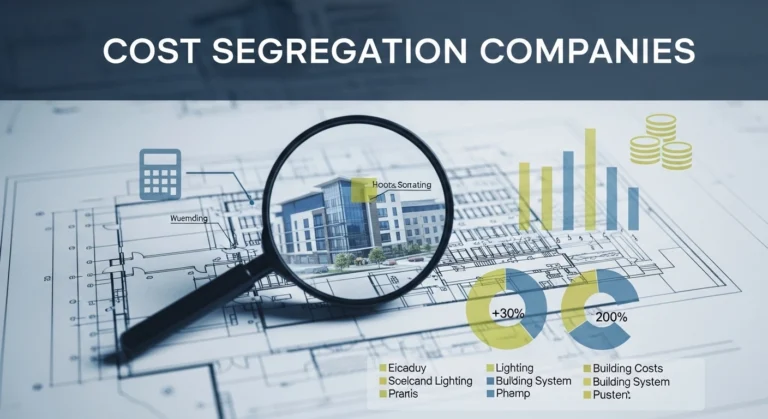
Cost segregation is a powerful strategy that can significantly boost a real estate investor’s cash flow and return on investment (ROI). Accelerating depreciation deductions frees up capital that would otherwise be tied up in taxes.
This extra cash can be reinvested into new properties, used to pay down debt, or fund renovations, giving investors a competitive edge in the market. This article will break down cost segregation clearly and straightforwardly, showing you how to unlock these tax benefits and enhance your financial performance.
We will explain what it is, who benefits most, and how it works, using practical examples to demystify this essential real estate investing tool. The evolution of cost segregation from a niche strategy to a mainstream tax tool is a story shaped by legislative changes and key IRS rulings.
Key Tax Law Changes and IRS Rulings
The landscape of cost segregation was fundamentally reshaped by two major developments:
- Tax Reform Act of 1986: This act eliminated the previous Investment Tax Credit and introduced the Modified Accelerated Cost Recovery System (MACRS). MACRS standardized depreciation periods, increasing them significantly for real property. This created a strong incentive for investors to find a way to accelerate depreciation and recapture tax benefits.
- The Hospital Corporation of America (HCA) v. Commissioner court case (1997): This landmark case provided crucial legal validation for cost segregation. The court ruled in favor of HCA, allowing them to classify certain building components as personal property, eligible for accelerated depreciation. This decision set a precedent that gave the strategy legal standing and credibility.
Following the HCA case, the IRS released a Cost Segregation Audit Techniques Guide (ATG) in 2004. This guide gave specific instructions to IRS examiners on how to review cost segregation studies, which helped standardize the practice and reduce audit risk for taxpayers.
Shift to a Mainstream Strategy
These developments, along with advancements in engineering and accounting, helped move cost segregation from an informal, high-risk strategy used by a few large corporations to a standardized, IRS-recognized practice accessible to a wider range of investors.
Today, a well-documented, engineering-based cost segregation study is considered the most accurate method to depreciate real estate, making it an essential tool for investors seeking to optimize cash flow and manage tax liability.
Cost segregation is the practice of reclassifying certain real estate assets from the standard 27.5-year or 39-year depreciation schedule to a shorter 5, 7, or 15-year schedule.
This allows investors to accelerate depreciation deductions, significantly reducing their taxable income in the early years of a property’s life. Instead of treating a building as a single asset, a cost segregation study breaks it down into its components.
The Step-By-Step Process
A comprehensive cost segregation study is a detailed engineering and tax analysis that follows a structured process to ensure accuracy and compliance.
- Preliminary Analysis: The process begins with a complimentary consultation or a preliminary analysis. A qualified professional will review the property’s purchase price and relevant financial data to estimate the potential tax savings. This helps determine if a full study is financially worthwhile.
- Gathering Data: Once the analysis is approved, the team gathers essential documents, including blueprints, construction invoices, and settlement statements. These records are crucial for identifying and costing the various components of the building.
- On-Site Inspection: An engineer or cost segregation professional will conduct an on-site inspection of the property. They’ll document and photograph the various components, such as plumbing, electrical systems, and site improvements, that can be reclassified.
- Reclassification: This is the core of the study. The professional reclassifies the building’s components into their appropriate tax categories. For example, items like decorative lighting, carpeting, and specialized plumbing can be moved to a 5-year depreciation schedule. Site improvements, such as paving and landscaping, are often reclassified to a 15-year schedule.
- Final Report: The process concludes with a detailed, IRS-ready report. This report outlines the methodologies used, lists each reclassified component with its cost, and provides a clear breakdown of the accelerated depreciation schedules. The report is used by the investor’s tax preparer to file the appropriate tax returns. This final document is critical for justifying the deductions in case of an audit.
Who Benefits Most: Ideal Properties & Scenarios
Cost segregation is a valuable strategy for a wide range of real estate investors, but it’s particularly effective for those with certain types of properties and who act at specific times.
Ideal Candidates and Properties
Cost segregation works best on properties with a significant amount of interior finishes, specialized equipment, and land improvements. The ideal candidates include:
- Multifamily and Commercial Properties: Apartment complexes, office buildings, retail centers, and warehouses are prime candidates due to the high volume of components that can be reclassified.
- Specialized Real Estate: Hospitality (hotels and resorts), healthcare facilities (hospitals and medical offices), and manufacturing/industrial properties often have the most to gain. These assets contain specialized plumbing, lighting, and equipment that have much shorter useful lives than the building itself.
- Short-Term Rentals: For properties like vacation rentals, many items like furniture, appliances, and decorative fixtures can be reclassified, leading to substantial first-year tax deductions.
Key Scenarios for Maximum Benefit
The timing of a cost segregation study is as important as the property type. The most opportune scenarios are:
- New Acquisitions: Conducting a study immediately after purchasing a property allows you to take advantage of accelerated depreciation from day one.
- New Construction: For a new build, a cost segregation study can be integrated into the construction process. This allows for precise cost allocation for each component, maximizing the potential tax benefits from the start.
- Major Renovations: If you’ve made significant improvements to an existing property, a study can be performed on the new assets to accelerate their depreciation, even if you’ve owned the building for years.
The Advantage of Early Analysis
Analyzing a deal early is crucial because it helps investors perform a more accurate cost-benefit analysis. A preliminary cost segregation estimate can be conducted during the due diligence phase of an acquisition or the planning stage of a new build. This allows you to:
- Improve Deal Viability: Knowing the potential tax savings upfront can significantly increase a property’s projected cash flow and ROI, making a borderline deal more attractive.
- Enhance Negotiation Power: With a clear understanding of the tax benefits, you can better determine your offer price or justify a higher valuation.
- Simplify Tax Planning: Starting with an accurate depreciation schedule from the first year of ownership simplifies future tax filings and minimizes the need for retroactive studies.
Early analysis ensures you don’t miss out on valuable deductions and can use the strategy to its full potential, rather than as a reactive measure later on.
Top Cost Segregation Services for 2026
To successfully implement this strategy, most investors partner with specialized firms that combine engineering expertise with tax law knowledge. These services are helpful because they provide the IRS-compliant documentation and audit defense necessary to justify accelerated depreciation, ensuring the tax savings are both maximized and legally defensible.
Here are the leading services offering cost segregation studies and how they support investors:
KBKG

A national leader in specialty tax services, KBKG offers engineering-based studies and a proprietary software platform for smaller residential properties. They are particularly helpful for investors who need a mix of high-end consulting and affordable, tech-driven solutions.
Engineered Tax Services (ETS)

This is one of the largest specialty tax engineering firms in the country. They specialize in complex properties and provide a multidisciplinary team of engineers and CPAs to ensure that every possible building component is correctly classified.
Cost Segregation Services, Inc. (CSSI)

CSSI is a premier provider that has completed tens of thousands of studies across the U.S. They focus on providing detailed, methodically documented reports and offer complimentary audit representation as part of their service package.
CBIZ

As a large professional services firm, CBIZ provides integrated cost segregation studies that work alongside its broader tax and accounting services. They are particularly helpful for investors looking for a comprehensive financial strategy under one roof.
Benefits for Real Estate Investors
For real estate investors, cost segregation is a powerful tool with several key benefits that directly impact a property’s financial performance.
- Improved Early Cash Flow: The most immediate benefit of a cost segregation study is a significant boost in cash flow. By reclassifying a portion of a property’s value to shorter depreciation schedules, investors can take larger tax deductions in the early years of ownership. This reduces taxable income and, as a result, the amount of tax owed. The money saved on taxes is then available for reinvestment, allowing investors to purchase more properties, pay down debt, or fund further capital improvements.
- Enhanced ROI and Reduced Holding Costs: Cost segregation directly enhances a property’s return on investment (ROI). By lowering the tax burden, it effectively reduces the cost of holding the asset. The accelerated deductions increase the after-tax returns, making the investment more profitable on paper. Over the life of the investment, the cumulative tax savings can be substantial, leading to a higher overall ROI.
- Potential to Increase Property Value: While cost segregation doesn’t physically alter a property, it can indirectly increase its value. The improved cash flow and higher after-tax returns make the property a more attractive investment. When a property is valued based on its income, a stronger cash flow, driven by tax savings, can lead to a higher appraised value. This benefit is particularly important for investors looking to refinance or sell their properties in the future.
Risks & Professional Considerations
While cost segregation offers significant tax benefits, it’s not without risks. Being aware of these potential pitfalls and taking proactive steps to mitigate them is essential for any real estate investor.
IRS Scrutiny and Audit-Ready Reports
The most significant risk associated with cost segregation is the possibility of an IRS audit. If a study isn’t prepared correctly, the IRS may disallow the reclassified deductions, resulting in back taxes, interest, and penalties.
To minimize this risk, an investor must ensure the cost segregation study is “audit-ready.” The IRS has a Cost Segregation Audit Techniques Guide (ATG) that outlines the criteria for a high-quality study. A compliant study should:
Be prepared by a qualified professional with expertise in both engineering and tax law.
- Include a detailed, engineering-based methodology.
- Provide a clear breakdown of reclassified assets and the rationale for their new depreciation schedules.
- Be supported by robust documentation, such as blueprints, invoices, and photos from a site inspection.
A high-quality, well-documented report provides a strong defense if your tax return is ever questioned by the IRS.
Cost vs. Benefit Analysis
The cost of a professional cost segregation study can range from a few thousand dollars to tens of thousands, depending on the property’s size and complexity. For very small properties or those with a low cost basis, the fee for the study might outweigh the potential tax savings.
Before commissioning a study, it’s crucial to perform a cost-benefit analysis. A reputable cost segregation firm will typically provide a complimentary preliminary analysis to estimate the potential tax savings, which helps investors determine if the study is a sound investment. A good rule of thumb is that the tax savings should significantly exceed the cost of the study to make it worthwhile.
The Importance of Qualified Professionals
A cost segregation study is a complex, multidisciplinary task that requires specialized expertise. Relying on a CPA alone or attempting a “do-it-yourself” approach is a significant risk. The ideal professional team includes:
- Engineers: They have the construction and valuation knowledge necessary to physically inspect a property and accurately break down its components.
- Tax Experts: They possess deep knowledge of current tax laws, IRS regulations, and court rulings to ensure all reclassifications are compliant and defensible.
Investors should seek out firms whose professionals are members of organizations like the American Society of Cost Segregation Professionals (ASCSP), which sets rigorous standards for the industry. A qualified professional stands behind their work and can defend the study’s findings in the event of an audit.
Frequently Asked Questions
Here are some of the most frequently asked questions about cost segregation in real estate investing.
How Long Does a Study Take?
A cost segregation study typically takes 2 to 6 weeks to complete, depending on the property’s size and complexity, as well as the availability of necessary documents. The process involves a site inspection, data analysis, and report generation.
Can I Apply It to Properties I’ve Owned for a While?
Yes! You can apply cost segregation to properties you’ve owned for years. This is done through a “look-back” study. The IRS allows you to claim all the missed depreciation from prior years in the current tax year without amending past tax returns. This can result in a significant one-time deduction.
What Documents Are Needed?
To perform a study, a professional will require several key documents:
- Property purchase or construction costs
- Settlement statement from the property acquisition
- Blueprints or floor plans of the building
- Depreciation schedule from your past tax returns
A list of any major renovations and their costs.
Does It Work for All Property Types?
No, it does not work for all property types. Cost segregation is most effective for income-producing properties like multifamily, commercial, and rental properties. It doesn’t apply to a personal residence or raw land. The strategy’s effectiveness is tied to the number of components that can be reclassified from long-term to short-term depreciation schedules.
Conclusion
Cost segregation is more than just a one-time tax maneuver; it’s a long-term wealth-building strategy that keeps your real estate portfolio competitive. Improving early-year cash flow provides the capital needed to acquire new deals, strengthen existing assets, and weather market fluctuations.
In today’s competitive real estate landscape, maximizing every dollar of return is essential. Cost segregation gives you a significant advantage by optimizing your tax position, directly translating to a healthier bottom line.
If you own an income-producing property, don’t leave money on the table. Take the next step by getting a complimentary preliminary analysis to determine how much you could save. A qualified professional can help you unlock the hidden value in your real estate investments.